
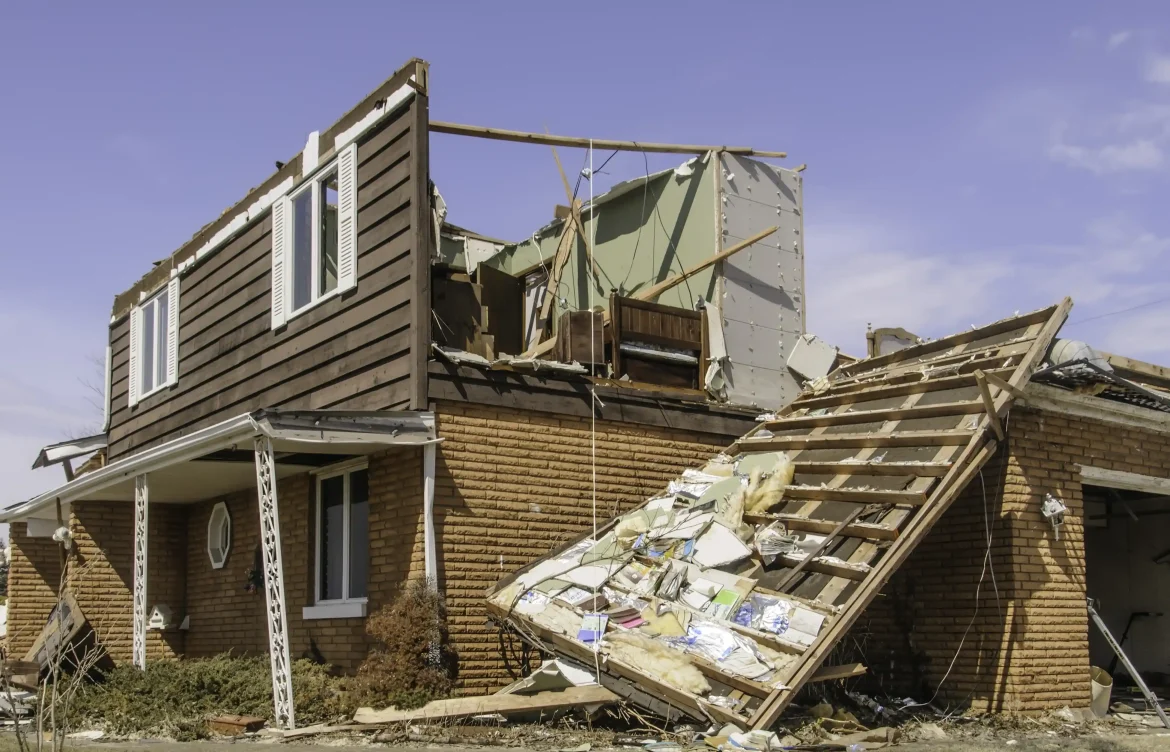
Does Home Insurance Cover Natural Disasters?
Does Home Insurance Cover Natural Disasters?
Home insurance does cover some natural disasters—but not all of them. This is one of the most misunderstood parts of property insurance. The key point is that coverage depends on the type of disaster and your specific policy add-ons.
Standard homeowners insurance protects against many sudden and accidental events, but certain large-scale natural disasters require separate coverage.
1. Natural Disasters Typically Covered by Home Insurance
Most standard home insurance policies cover several common natural events, especially those that are sudden and unpredictable.
Usually covered:
- Windstorms and hurricanes (wind damage)
- Hail damage
- Lightning strikes
- Fire caused by natural events (e.g., lightning or wildfires in many policies)
- Falling trees or debris from storms
Example:
If a storm damages your roof or lightning causes a house fire, your standard policy usually covers repairs.
2. Natural Disasters NOT Usually Covered
Some major disasters are excluded from standard home insurance and require separate policies.
Not typically covered:
- Flooding (heavy rain, river overflow, storm surge)
- Earthquakes
- Landslides and sinkholes (in many cases)
Why not included:
These events are high-risk and can cause widespread damage, making them too costly to include in standard coverage.
3. Flood Insurance Coverage
Flood damage is one of the most important exclusions.
Standard home insurance:
Does NOT cover flood damage
Requires:
- Separate flood insurance policy
Covers:
- Rising water from storms
- Flash floods
- River or coastal overflow
Important:
Even a few inches of water can cause severe structural damage.
4. Earthquake Coverage
Earthquake damage is also excluded from most standard policies.
Standard home insurance:
Does NOT cover earthquakes
Requires:
- Separate earthquake insurance policy
Covers:
- Structural damage
- Foundation cracks
- Collapsed walls or roofs
- Personal property damage
Note:
Earthquake insurance often comes with higher deductibles.
5. Storm vs Flood Damage Confusion
This is where many homeowners get confused.
Covered under home insurance:
- Wind damage from hurricanes or storms
Not covered:
- Water damage caused by flooding during the same storm
Example:
A hurricane may damage your roof (covered), but floodwater entering your home is usually not covered.
6. Optional Add-On Coverage
To fully protect against natural disasters, homeowners may need extra coverage.
Common add-ons include:
- Flood insurance
- Earthquake insurance
- Windstorm endorsements (in high-risk coastal areas)
Benefit:
These expand protection beyond standard policy limits.
7. What Home Insurance Always Requires
Even when disasters are covered, policies usually require homeowners to:
- Take steps to prevent further damage
- Maintain the property properly
- Report claims quickly
- Document damage with photos or videos
8. Why Natural Disaster Coverage Is Limited
Insurance companies separate natural disaster coverage because:
- Some disasters affect entire regions at once
- Repair costs can be extremely high
- Risk levels vary greatly by location
- Predictability is low for events like earthquakes
9. How to Check Your Coverage
Homeowners should always review their policy carefully.
Look for:
- Covered perils list
- Exclusions section
- Deductibles for natural disasters
- Optional endorsements
Tip:
Ask your insurance provider specifically about flood and earthquake protection.
10. Real-World Example
Imagine a storm hits your area:
- Roof is damaged by wind → ✔ Covered
- House floods due to heavy rain → Not covered (without flood insurance)
- Earthquake causes wall cracks → Not covered (without earthquake insurance)
This shows why understanding coverage details is critical.