
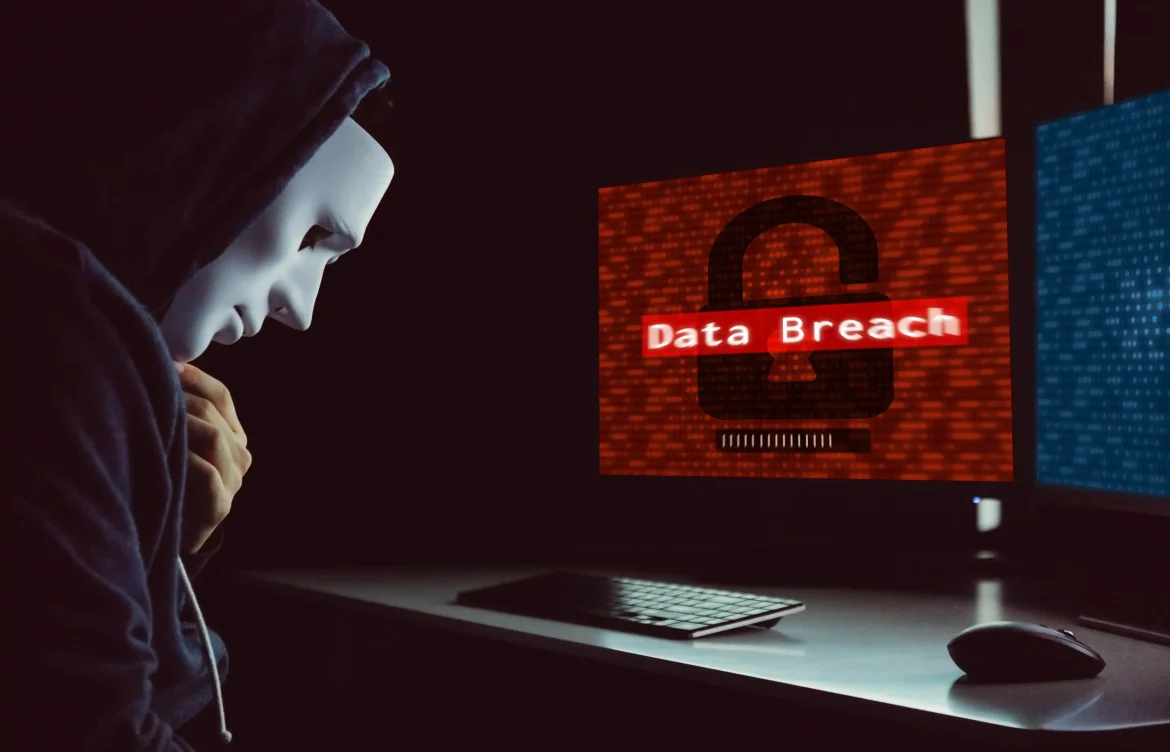
How Data Breach Insurance Helps Manage Cyber Risks:
In today’s digital world, cyber threats are one of the fastest-growing risks for businesses of all sizes. Hackers, ransomware attacks, and data leaks can cause serious financial loss, legal issues, and reputational damage. Data breach insurance (often part of cyber liability insurance) is designed to help businesses manage these risks and recover quickly after an incident.
It does not prevent cyberattacks—but it significantly reduces the financial and operational damage when they happen.
1. What Data Breach Insurance Covers
Data breach insurance provides financial protection when sensitive data is compromised.
It typically covers:
- Customer data theft (names, emails, payment details)
- Employee personal data breaches
- Ransomware attacks
- Hacking incidents
- Unauthorized access to systems
- Lost or corrupted data recovery
Why it matters:
Even a small breach can lead to large financial consequences, including lawsuits and regulatory fines.
2. Incident Response and Emergency Support
One of the most valuable features of data breach insurance is immediate response assistance.
This may include:
- IT forensic experts to investigate the breach
- Cybersecurity specialists to stop ongoing attacks
- Legal advisors for compliance guidance
- Crisis management teams
Benefit:
Fast response reduces damage, limits data exposure, and helps restore systems more quickly.
3. Financial Protection from Direct Losses
Cyber incidents can be extremely expensive to fix.
Insurance helps cover:
- Data recovery costs
- System repair and restoration
- Ransom payments (in some policies)
- Business interruption losses
- Hardware replacement
Why it matters:
Without insurance, businesses may need to pay these costs out of pocket, which can be financially devastating.
4. Legal Liability Coverage
Data breaches often lead to legal consequences, especially if customer or employee data is exposed.
Coverage includes:
- Lawsuits from affected individuals
- Legal defense costs
- Settlements and court judgments
- Regulatory fines (depending on policy terms and local laws)
Example:
If customer financial data is stolen, affected clients may sue the business for negligence.
5. Notification and Communication Costs
Many laws require businesses to notify customers after a data breach.
Insurance covers:
- Customer notification letters or emails
- Call center support
- Public relations management
- Credit monitoring services for affected users
Why it matters:
These costs can scale quickly if thousands of people are affected.
6. Business Interruption Protection
Cyberattacks can shut down operations temporarily.
Data breach insurance may cover:
- Lost income during downtime
- Ongoing fixed expenses (rent, salaries)
- Costs of restoring operations
Benefit:
Helps businesses survive financially while systems are being repaired.
7. Reputation and Brand Protection
A data breach can seriously damage customer trust.
Insurance support includes:
- Public relations services
- Reputation management experts
- Communication strategy assistance
Why it matters:
Recovering customer trust is often harder than recovering data itself.
8. Regulatory Compliance Support
Many industries must comply with strict data protection laws.
Insurance helps with:
- Legal compliance guidance
- Regulatory reporting assistance
- Handling investigations by authorities
Example regulations:
- Data protection laws
- Financial privacy laws
- Healthcare data protection rules
Benefit:
Reduces risk of fines and legal penalties for non-compliance.
9. Coverage for Ransomware Attacks
Ransomware is one of the most common cyber threats today.
How insurance helps:
- Paying ransom demands (if included in policy)
- Negotiation support with attackers
- System recovery assistance
- Data restoration costs
Important note:
Not all policies cover ransom payments directly, but most cover recovery and response costs.
10. Protecting Small and Medium Businesses
Small businesses are often targeted because they have weaker security systems.
Why data breach insurance is important for SMBs:
- Limited cybersecurity resources
- High cost of recovery without insurance
- Increased risk of closure after a breach
Benefit:
Insurance allows smaller businesses to recover without shutting down permanently.
11. Strengthening Overall Cyber Risk Management
Data breach insurance works best when combined with prevention strategies.
Common risk-reduction practices include:
- Firewalls and antivirus systems
- Employee cybersecurity training
- Multi-factor authentication
- Regular data backups
- System updates and patch management
Combined effect:
Insurance + prevention reduces both likelihood and impact of cyber incidents.
12. Cost vs. Benefit of Data Breach Insurance
Many businesses hesitate due to cost, but the trade-off is important.
Without insurance:
- Full financial responsibility for breach
- Legal liability exposure
- High recovery expenses
With insurance:
- Shared financial risk
- Expert support during crises
- Faster recovery and continuity
Conclusion:
The cost of insurance is usually far lower than the cost of a major data breach.
13. Real-World Impact of Cyber Incidents
Cyberattacks can lead to:
- Millions in financial losses
- Legal battles and lawsuits
- Loss of customer trust
- Permanent business closure in severe cases
Data breach insurance acts as a financial safety net in these situations.
14. Limitations of Data Breach Insurance
While powerful, it is not a complete solution.
Limitations may include:
- Coverage limits on payouts
- Exclusions for negligence or poor security practices
- Not preventing attacks (only managing consequences)
Important:
Businesses must still invest in strong cybersecurity practices.
Conclusion
Data breach insurance is a critical tool in modern cyber risk management. It helps businesses respond to attacks, cover financial losses, manage legal risks, and recover operations quickly after a breach.
While it does not stop cyberattacks, it significantly reduces their financial and operational impact. When combined with strong cybersecurity practices, it creates a powerful defense system that protects both data and business continuity in an increasingly digital world.
- No Comments
- January 2, 2026