
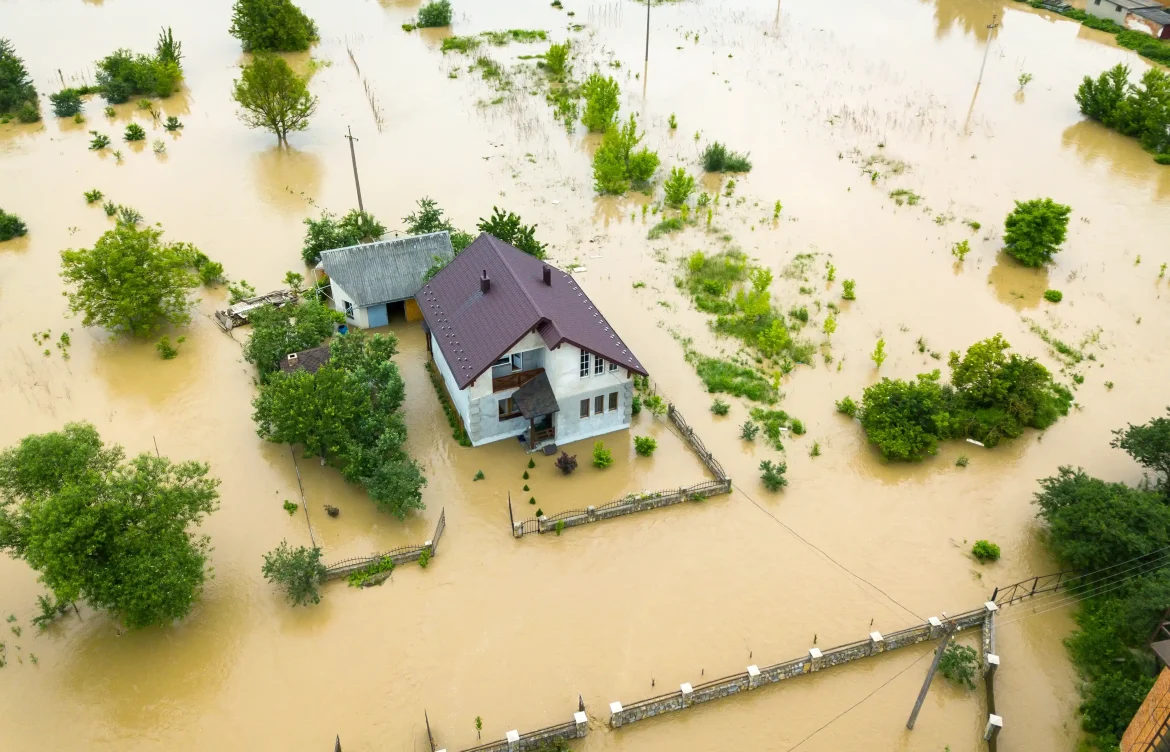
Understanding Flood, Earthquake, and Storm Coverage:
Natural disasters like floods, earthquakes, and storms can cause severe damage to homes and businesses. However, many people are surprised to learn that standard insurance policies do not always cover all types of natural disasters. Understanding how this coverage works is essential for protecting property and financial stability.
Each type of disaster—flood, earthquake, and storm—has different insurance rules, coverage limits, and policy requirements.
1. Storm Coverage (Wind, Hail, and Hurricane Damage)
Storm damage is the most commonly included natural disaster in standard home insurance policies.
Typically covered under:
- Homeowners insurance (standard policy)
- Commercial property insurance
What storm coverage includes:
- Wind damage (roof, windows, siding)
- Hail damage (cars, roofs, outdoor property)
- Lightning strikes
- Falling trees or debris
- Hurricane-related wind damage (in many cases)
Important detail:
Flooding caused by storms is usually not included in standard storm coverage and may require separate flood insurance.
2. Flood Insurance Coverage
Flood damage is one of the most misunderstood types of insurance protection.
Key fact:
Most standard home insurance policies do NOT cover flood damage.
Flood insurance usually covers:
- Water entering from heavy rainfall
- River or lake overflow
- Flash floods
- Storm surge (in coastal areas)
Covered under:
- Government-backed flood insurance programs (in many countries)
- Private flood insurance policies
What it pays for:
- Structural damage to the home
- Electrical and plumbing systems
- Appliances and furniture (depending on policy)
- Flooring and walls
Why it matters:
Even a small amount of floodwater can cause extremely expensive damage.
3. Earthquake Insurance Coverage
Like flood insurance, earthquake coverage is typically not included in standard policies.
Covered under:
- Separate earthquake insurance policies
What it covers:
- Structural damage from ground shaking
- Foundation cracks
- Wall and roof collapse
- Damage to personal belongings
- Sometimes temporary living expenses
Important limitation:
Earthquake insurance often has:
- High deductibles
- Coverage limits based on location risk
- Separate policy requirements
Why it is needed:
Earthquake damage can completely destroy buildings, making repair costs extremely high.
4. Differences Between Flood, Earthquake, and Storm Coverage
| Disaster Type | Usually Included in Standard Insurance? | Separate Policy Needed? |
|---|---|---|
| Storm (wind, hail, lightning) | Yes (mostly) | No (usually) |
| Flood | No | Yes |
| Earthquake | No | Yes |
Key takeaway:
Storm damage is commonly covered, but flood and earthquake coverage almost always require separate insurance.
5. Why Insurance Policies Separate These Risks
Insurance companies treat these disasters differently because of:
1. High risk concentration
Floods and earthquakes can damage entire regions at once.
2. High financial cost
Large-scale disasters lead to massive claim payouts.
3. Predictability issues
Earthquakes and floods are harder to predict compared to storms.
6. What Storm Insurance Does NOT Cover
Even storm coverage has limits.
Usually NOT covered:
- Flooding from heavy rain
- Poor maintenance damage
- Neglected structural issues
- Landscaping or outdoor items in some cases
Important:
Policy terms vary, so it’s important to read coverage details carefully.
7. What Flood Insurance Does NOT Cover
Flood insurance also has exclusions.
Typically not covered:
- Basement belongings above certain limits
- Temporary living expenses (in some policies)
- Outdoor landscaping
- Preventable damage due to neglect
8. What Earthquake Insurance Does NOT Cover
Earthquake insurance also has strict limits.
Common exclusions:
- Fire damage caused by earthquake (sometimes covered separately)
- Vehicles (covered under auto insurance)
- Earth movement not caused by earthquakes (like landslides in some cases)
9. Cost Factors for These Coverages
Premiums depend on risk level.
Factors affecting cost:
- Geographic location
- Risk of natural disasters in the area
- Property type and age
- Coverage limits
- Deductible amounts
Example:
Homes in coastal or earthquake-prone regions typically pay higher premiums.
10. Deductibles in Natural Disaster Coverage
Natural disaster insurance often has higher deductibles than regular policies.
Examples:
- Earthquake deductibles: often a percentage of property value
- Flood deductibles: fixed amount or percentage
- Storm deductibles: usually standard deductible
Why:
Higher risk events lead to larger potential claims.
11. Why Separate Coverage Is Important
Relying only on standard insurance can leave major gaps.
Without proper coverage:
- Flood damage must be paid out-of-pocket
- Earthquake repairs can be extremely expensive
- Storm-related flooding may not be covered
Result:
Financial recovery becomes difficult or impossible without additional insurance.
12. How to Choose the Right Coverage
Homeowners should evaluate their risk carefully.
Steps:
- Check local disaster risk (flood zones, seismic zones)
- Review existing insurance policy
- Add flood or earthquake insurance if needed
- Compare private and government-backed options
Conclusion
Flood, earthquake, and storm coverage are essential parts of property protection, but they work differently. While storm damage is often included in standard insurance policies, flood and earthquake protection usually require separate coverage.
Understanding these differences helps homeowners avoid unexpected financial losses and ensures better preparedness for natural disasters. Proper insurance planning provides financial security, faster recovery, and peace of mind in the face of unpredictable events.