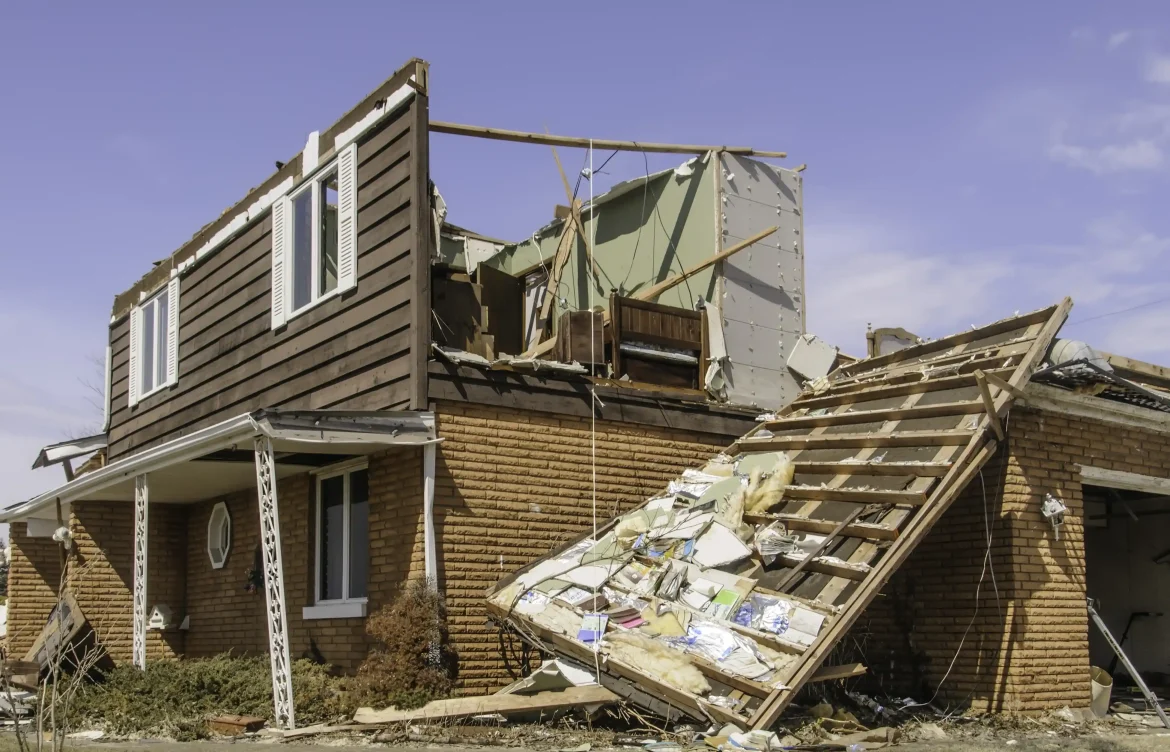

What Happens After a Home Insurance Claim Is Approved:
After a home insurance claim is approved, the settlement and repair process begins. Understanding what happens next helps homeowners manage repairs and financial decisions effectively.


Filing a home insurance claim after property damage requires timely action and careful documentation. Following the correct steps helps ensure a smoother claims process and fair compensation.
Natural disasters like floods, earthquakes, and storms can cause severe damage to homes and businesses. However, many people are surprised to learn that standard insurance policies do not always cover all types of natural disasters. Understanding how this coverage works is essential for protecting property and financial stability.
Home insurance provides protection against many natural disasters, but coverage depends on the specific event and policy terms. Understanding what is included helps homeowners prepare for potential risks and avoid coverage gaps.
Renters and landlords both deal with the same property, but they face completely different risks. Because of this, they need separate insurance policies designed for their specific responsibilities. Many people mistakenly assume one policy can cover both sides—but in reality, renters insurance and landlord insurance serve very different purposes.
Renters insurance and landlord insurance serve different purposes and protect different parties. Understanding these distinctions is essential for both tenants and property owners.
Homeowners insurance is designed to protect one of the most valuable assets a person owns. For beginners, understanding how these policies work makes it easier to choose appropriate coverage.
Homeowners insurance provides financial protection for your home and personal belongings, but coverage is not unlimited. Understanding what is covered and what is excluded helps homeowners avoid costly surprises.
Pay-as-you-drive insurance is a type of usage-based insurance that calculates premiums primarily based on how many miles a person drives. It is designed for drivers who use their vehicles less frequently.
Usage-based car insurance is a modern insurance model that calculates premiums based on how, when, and how much a person drives. Instead of relying solely on traditional risk factors, insurers use real driving data to determine cost.